What e-commerce development includes
We shape the engagement around the actual brief. The proposal identifies which of these deliverables are included, who supplies the inputs and how each one is accepted.
- Platform recommendation: Shopify, headless or custom checkout
- Catalogue model: products, variants, collections and filters
- Design of product, collection, cart and checkout pages
- Payment gateway integration with server-side order confirmation
- Product structured data plus shipping and returns policies for Google
- Data consent capture and analytics for each checkout step
- Migration of products, customers, URLs and redirects
When a custom store is the right investment
Choose this when the store is a main sales channel and its catalogue, checkout or content needs more than a theme provides. For a small catalogue with standard shipping, a well-chosen Shopify theme you set up yourself may be enough. If you sell access, subscriptions or accounts rather than products, Web App, SaaS and MVP Development is the closer fit.
From platform choice to the first order
We begin with your catalogue, payment methods, shipping rules and the systems that hold stock and invoices. That review decides the platform and produces a catalogue model, a page map and a checkout design. If you already have a store, we export its products, customers and URLs first so nothing is lost in the move.
The build starts with the product page and checkout, tested with sandbox payments that include declined, pending and refunded orders. Then we complete collections, search, content pages and integrations, set up analytics for each checkout step and launch with redirects in place and the first orders monitored.
Shopify, headless or custom checkout: which platform fits?
The platform follows the catalogue and the checkout, not the other way round. A hosted platform such as Shopify gives you a maintained checkout, inventory tools, staff accounts and a large app ecosystem; Dardo designs and builds on it when that is what the business needs. A headless storefront keeps a commerce backend but gives you full control of design, content and page speed. A custom checkout on a payment provider suits a short catalogue, deposits, made-to-order items or purchases tied to bookings and accounts.
Be honest about size. A small catalogue with standard shipping often sells well on a standard theme, and custom work there buys little.
| Option | Fits when | Watch for |
|---|---|---|
| Hosted platform (Shopify) | Many products and variants, staff update stock daily, you want apps for reviews, shipping or marketplaces | Monthly plan and app fees, theme limits on design, which payment options work in your country |
| Headless storefront | Brand and content carry the sale, or several sites and languages share one catalogue | Two systems to run, previews and editing need setup, more build effort |
| Custom checkout on a payment provider | A few products, deposits, made-to-order items, or purchases tied to bookings or accounts | Stock, taxes, invoices and refunds become your code to maintain |
| Standard theme you set up yourself | Small catalogue, simple shipping, limited budget | Looks like other stores; plan to outgrow it as the catalogue grows |
Where does checkout lose buyers?
Most carts are never paid for. Baymard's average across 50 documented studies is a 70.22% cart abandonment rate. Leaving aside shoppers who were just browsing, the most common reasons are extra costs that are too high (40%), slow delivery (20%), not trusting the site with card details (19%), being asked to create an account (18%) and a long or complicated checkout (17%).
Each of those is a design decision we check before launch: shipping and fees shown before checkout, delivery estimates on the product page, a recognised payment provider, guest checkout by default and only the fields the order really needs. We measure each checkout step, so later changes are judged on data instead of opinion.
Payments and customer data in Colombia
Wompi, Mercado Pago and ePayco are commonly used gateways in Colombia. Wompi, for example, lists cards, PSE, Nequi, Daviplata, Bancolombia transfers and cash payments at Bancolombia correspondents, and its documentation states that none of its methods returns an immediate result. The final status arrives later in a signed event, so an order is marked paid only when that verified event arrives, never because the buyer came back to the store.
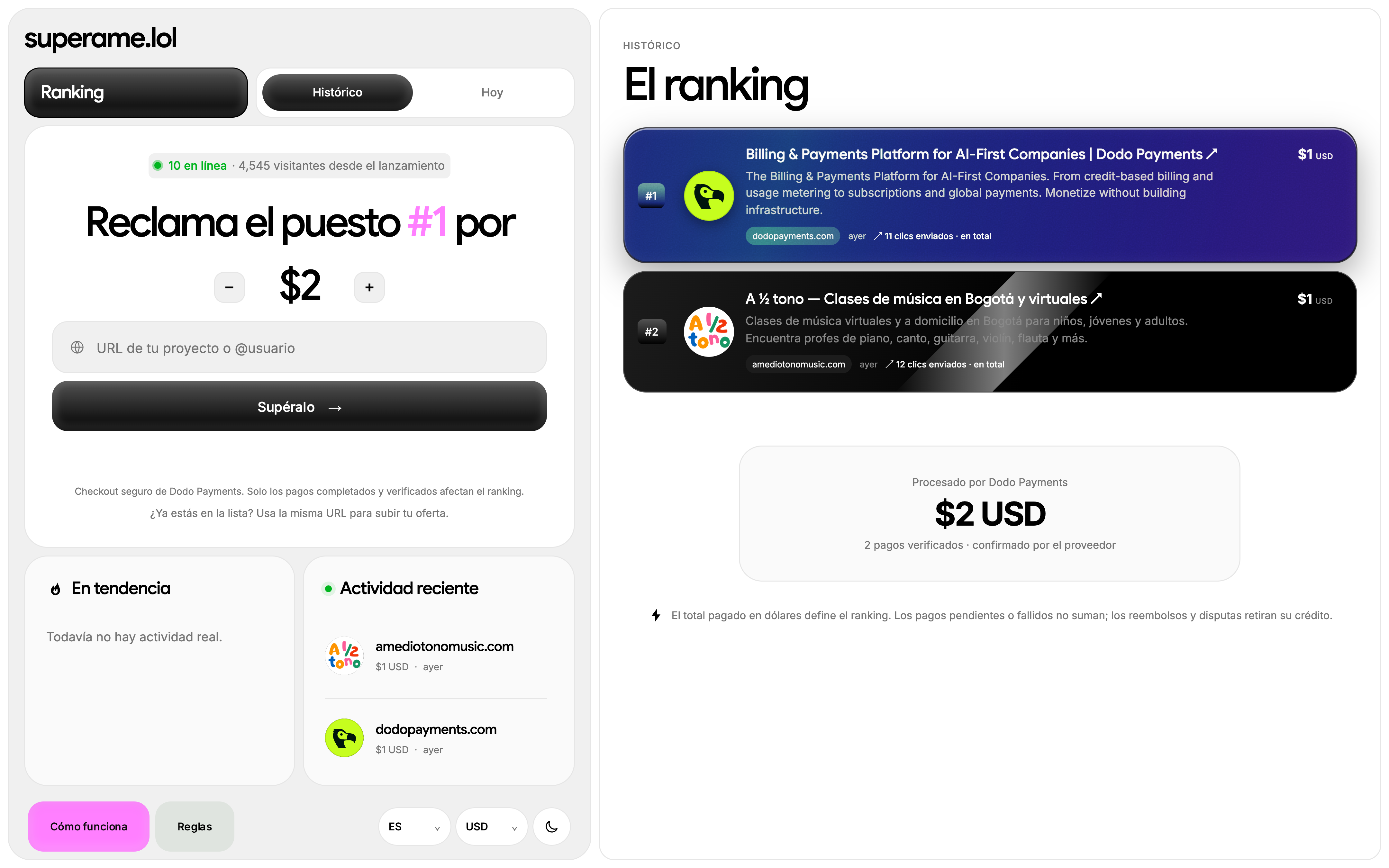
Superame, in Dardo's published work, applies the same rule with another provider: hosted checkout, signed callbacks verified on the server and idempotent handling of refunds and disputes. It proves payment confirmation logic, not running a store.
Customer data needs consent you can prove. Colombia's Ley 1581 de 2012, article 9, requires the data subject's prior and informed authorization, obtained by any means that can be consulted later. We design checkout and newsletter forms so that authorization is a clear choice, stored with its date and wording. Your privacy policy and legal review stay with you and your lawyer.
Catalogue, search, product data and migration
A store is only as good as its catalogue model. Before design, we define products, variants, attributes, collections and the filters buyers actually use, and who edits each field. Search and filters are built on those attributes, and searches with no results are logged so you can see what buyers wanted and did not find.
For Google, merchant listings need Product structured data with a name, an image and an Offer with a price, and Google recommends declaring standard shipping and return policies once under Organization markup. We generate both from the catalogue, so the price in the markup and the price on the page cannot drift apart.
Migrating an existing store means exporting products, images, customers and order history where the platform allows it, mapping every old product and collection URL to its new address with permanent redirects, and comparing counts and sample records before switching the domain.
Questions before you choose
How much does an e-commerce website cost?
Dardo's website projects start at USD 5,000. A store's price then depends on the platform, the number of product types and variants, custom checkout logic, payment and shipping integrations, content and the size of any migration. We quote after reviewing your catalogue and order flow, and we will point you to a theme when that is the sensible spend.
Should I use Shopify or a custom store?
Use Shopify when you want a maintained checkout, inventory tools and apps, and your design works within a theme or a custom theme. Choose headless or custom when content and brand carry the sale, when purchases are tied to bookings, accounts or deposits, or when the catalogue is small enough that a full platform adds cost without benefit. Dardo designs and builds both.
Which payment gateways can a store in Colombia use?
Wompi, Mercado Pago and ePayco are commonly used in Colombia. The right choice depends on the methods your buyers use, settlement times, fees and how the gateway reports pending payments. We compare them against your order flow and integrate the one you choose with confirmation on the server.
Can you migrate my current store?
Yes. We export products, images, customers and, where the source platform allows, order history; map every old URL to its new page with permanent redirects; and compare counts and sample records before switching the domain. If the old platform cannot export customer passwords, we plan an account activation message with you.
Who manages products day to day?
Your team. We set up the catalogue so staff can add products, change prices and stock, and publish collections without a developer, and we train them at handover. On Shopify that happens in the Shopify admin; on a headless or custom store it happens in the CMS or admin view we build.
What do we need to provide?
Product data in a spreadsheet or export, product photos, shipping and return rules, a payment gateway account in your company's name and your privacy policy and terms. Product photography and copywriting can be added to the scope if you do not have them yet.
Do you keep optimising the store after launch?
Yes, if you want it. After launch we review checkout step data, searches with no results and product page behaviour, then propose changes and test the ones that get enough traffic to measure. Conversion Rate Optimization describes how that work is run; we do not promise a specific conversion rate.
Sources & further reading
Sources behind this page, with further detail from the original publishers.
- Baymard Institute: cart abandonment rate statisticsbaymard.com
- Google Search Central: merchant listing structured datadevelopers.google.com
- Wompi: payment methods (Colombia)docs.wompi.co
- Wompi: events and signature verificationdocs.wompi.co
- Ley 1581 de 2012 (Colombia), article 9cancilleria.gov.co